Klaviyo meets ChatGPT: What this means for lifecycle teams
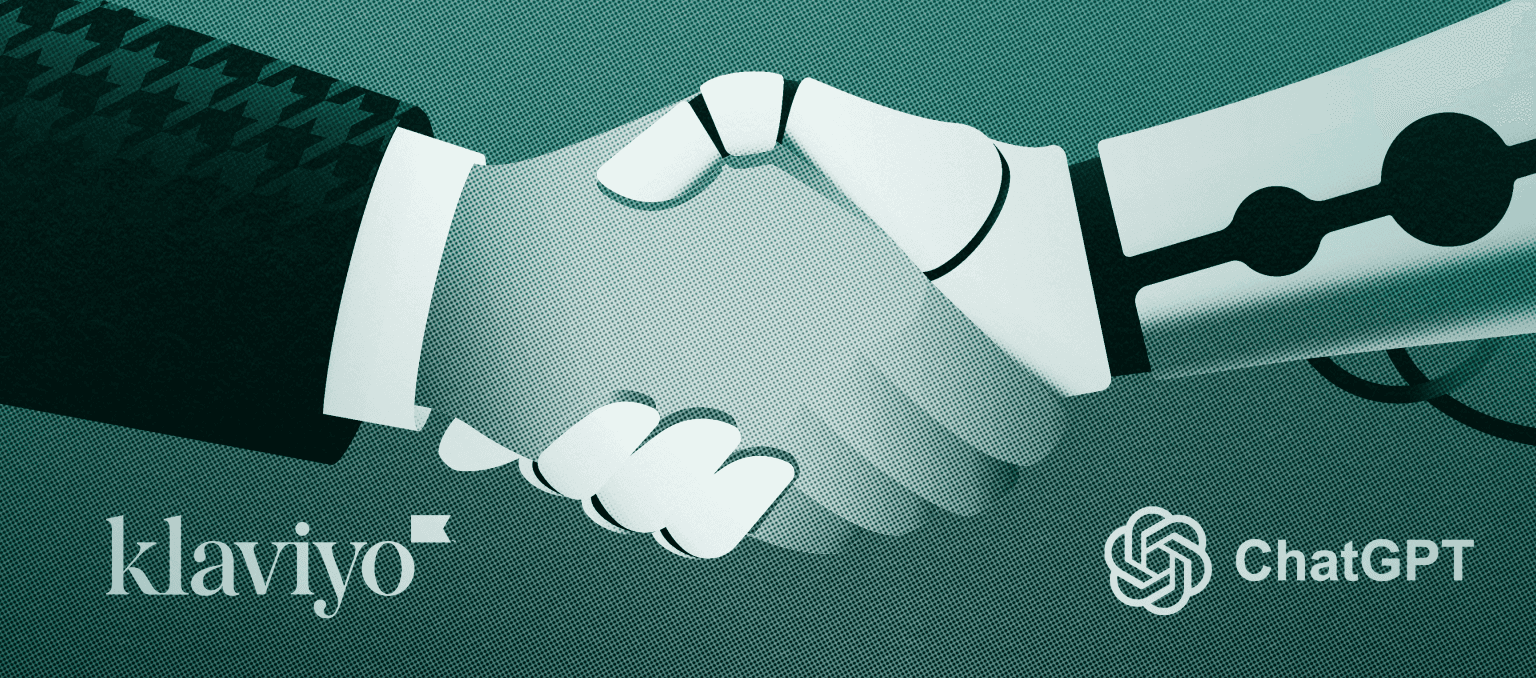
Klaviyo just made a significant move in the AI space. The company launched a native integration with ChatGPT, allowing marketers to query their Klaviyo data directly within OpenAI's chat interface. For lifecycle teams already juggling multiple platforms, this development raises some interesting questions about how we'll interact with our marketing data going forward.
What the integration actually does
The mechanics are straightforward. Within ChatGPT, users can tag @Klaviyo and ask natural language questions about their account performance. Want to know how last month's campaigns performed? Ask. Curious about revenue trends or unsubscribe rates? The integration pulls your actual Klaviyo data and returns it in interactive cards and tables.
According to Klaviyo, the integration currently supports read-only queries like performance analysis, revenue breakdowns, and campaign metrics. The company has indicated that campaign creation capabilities are on the roadmap, which would transform this from a reporting tool into an actual workflow hub.
Why this matters for lifecycle marketers
1. Reduced context switching. If you're already using ChatGPT for content ideation, competitive research, or strategic planning, having your performance data accessible in the same interface eliminates one more tab in your browser.
2. Faster insights for non-technical team members. Not everyone on a lifecycle team is comfortable building complex segments or navigating analytics dashboards. Natural language queries lower that barrier considerably.
3. The convergence of data and action. Klaviyo CEO Andrew Bialecki framed this as bringing decision-making together with data and action. When you can analyze performance and eventually create campaigns in the same conversation, the gap between insight and execution shrinks.
What lifecycle teams should consider
Before rushing to connect your Klaviyo account to ChatGPT, a few considerations are worth your attention.
Data privacy and security. Anytime you're connecting marketing platforms to third-party AI tools, you're expanding your data footprint. Review your organization's policies on data sharing with AI platforms, and understand what information flows where. OpenAI's enterprise data handling practices have improved, but this still represents a new integration point to evaluate.
Accuracy verification. AI-generated insights are only as good as the queries and the underlying data. Build a habit of spot-checking the numbers ChatGPT surfaces against your native Klaviyo dashboard, at least until you've established confidence in the integration's reliability.
Team enablement. If this integration becomes part of your workflow, invest in training your team on effective prompting. The difference between a vague question and a well-structured query can mean the difference between actionable insights and confusing outputs.
The bigger picture
Klaviyo isn't alone in pursuing AI integrations. We're seeing a broader trend of marketing platforms adding conversational interfaces to their products. Salesforce's Einstein GPT and similar initiatives from HubSpot and other platforms signal that this is becoming table stakes for marketing technology. The question for lifecycle teams isn't whether to adopt these tools, but how to integrate them thoughtfully into existing workflows.
The most effective approach is likely a measured one. Test the integration with non-critical queries first. Establish internal guidelines for what types of analysis are appropriate for AI-assisted review versus what requires human oversight. And keep an eye on how these capabilities evolve—campaign creation within ChatGPT could fundamentally change how teams approach their daily workflows.
For now, Klaviyo's ChatGPT integration represents an interesting step toward more accessible marketing analytics. Whether it becomes a core part of your toolkit or remains a convenient supplement will depend on your team's specific needs and comfort level with AI-assisted analysis.